
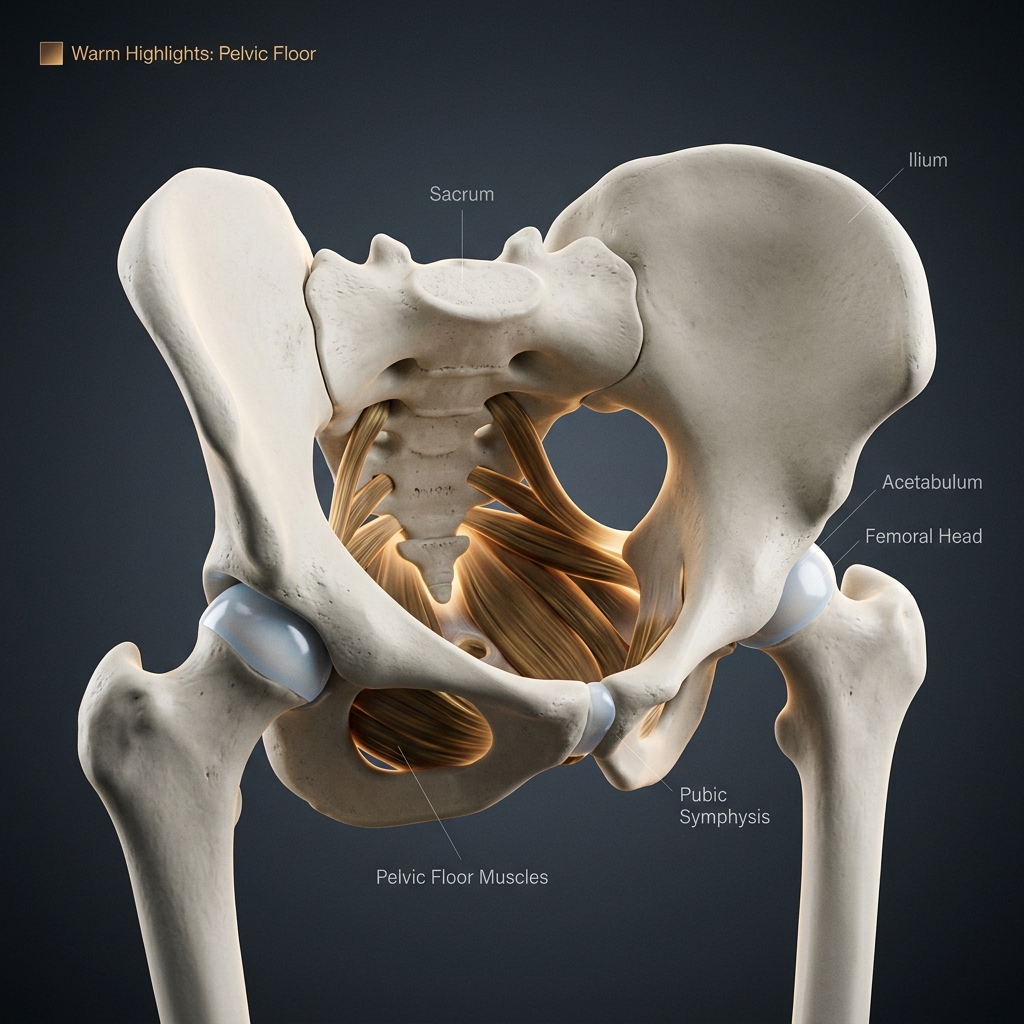
1. Medical Definitions: Upper Genital Tract Infection & Peritoneal Inflammation
Pelvic Inflammatory Disease (PID) is an ascending polymicrobial infection comprising the endometrium (endometritis), fallopian tubes (salpingitis), ovaries (oophoritis), and surrounding pelvic peritoneum (pelvioperitonitis). When infectious exudates escape into the greater peritoneal space, it can induce acute peritonitis—life-threatening inflammation of the serous peritoneal membrane.
Etiology & Microbiological Spectrum
- Primary STI Pathogens: Chlamydia trachomatis and Neisseria gonorrhoeae.
- Endogenous Facultative & Anaerobic Organisms: Escherichia coli, Bacteroides fragilis, Peptostreptococcus, Gardnerella vaginalis, and Mycoplasma genitalium.
- Pyogenic Bacteria: Streptococci and Staphylococci.
2. Pathophysiology: From Ascending Infection to Peritonitis
Cervicovaginal Infection (Chlamydia / Gonorrhea / Anaerobes)
│
▼
Breach of Endocervical Mucus Barrier (Menstruation / Instrumentation / IUD)
│
▼
Endometrial Colonization & Upward Spread to Fallopian Tubes (Salpingitis)
│
▼
Intra-tubal Pus Accumulation (Pyosalpinx) & Fimbrial Spillage
│
▼
Pelvic Peritonitis & Tubo-Ovarian Abscess (TOA) Formation
│
▼
Generalized Secondary Peritonitis (Bacterial Proliferation, Fibrinous Exudate, Paralytic Ileus)
- Normal Peritoneum: Smooth, glistening, transparent serosa maintaining a minimal volume of sterile lubricating fluid.
- Early Phase (2–4 Hours): The membrane becomes hyperemic, dull, and edematous, exuding serous or slightly turbid inflammatory fluid.
- Advanced Phase: Massive bacterial proliferation accompanied by neutrophil infiltration creates thick, creamy, suppurative exudate with heavy fibrin deposition.
- Intestinal Complications: Peritoneal irritation triggers transient hypermotility followed rapidly by dynamic intestinal paralysis (paralytic ileus), causing massive pooling of gas and fluid in dilated bowel loops.
3. Primary vs. Secondary Peritonitis: Differential Classification
| Parameter | Primary Peritonitis (Spontaneous) | Secondary Peritonitis |
|---|---|---|
| Etiology | Hematogenous or lymphatic dissemination of organisms | Direct breach/leakage from perforated visceral organ or pelvic source |
| Common Organisms | Monomicrobial (E. coli, Klebsiella, Streptococcus pneumoniae) | Polymicrobial (Enteric Gram-negative bacilli + obligate anaerobes) |
| Underlying Risks | Cirrhosis with ascites, nephrotic syndrome, peritoneal dialysis | Ruptured appendix, PID/tubo-ovarian abscess, perforated peptic ulcer |
| Surgical Need | Primarily medical management with antibiotics | Urgent surgical exploration and source control |
4. Clinical Presentation & Physical Diagnostic Criteria
Minimum Clinical Diagnostic Criteria (CDC Guidelines)
On pelvic examination, the presence of one or more of the following indicates high suspicion of PID:
- Cervical Motion Tenderness ("Chandelier Sign"): Severe pain elicited during bimanual movement of the cervix.
- Uterine Tenderness: Direct pain upon palpation of the uterine body.
- Adnexal Tenderness: Bilateral or unilateral tenderness over ovaries and fallopian tubes.
5. Diagnostic Workup & Lab Report Interpretation
========================================================================================
LABORATORY & IMAGING EVALUATION FOR PID & ACUTE PERITONITIS

1. HEMATOLOGY & INFLAMMATORY MARKERS
├─ Leukocytes (WBC): Marked leukocytosis (> 12,000 / mm³) with a "left shift" (Bandemia > 10%).
├─ C-Reactive Protein (CRP): Markedly elevated (> 50-100 mg/L) -> Tracks disease severity.
├─ Erythrocyte Sedimentation Rate (ESR): Markedly elevated (> 30-50 mm/hr).
2. ELECTROLYTE & METABOLIC PANEL
├─ Serum Potassium: Hypokalemia common due to vomiting and fluid sequestration in bowel.
├─ Serum Sodium: Hyponatremia / Hypernatremia depending on third-space volume loss.
└─ ABG: Metabolic acidosis (lactic acidosis) signaling septic shock.
3. IMAGING MODALITIES
├─ TVS Scan: Thickened, fluid-filled fallopian tubes (Hydrosalpinx/Pyosalpinx), "cogwheel sign".
├─ Plain Abdominal Radiograph: Dilation of bowel with multiple air-fluid levels (paralytic ileus).
└─ CT Scan: Superior sensitivity for deep pelvic abscesses, fascial stranding, and leakage.
========================================================================================
6. Medical Management & Preoperative / Postoperative Care
First-Line Inpatient Intravenous Regimens
- Regimen A: Cefotetan (2 g IV q12h) OR Cefoxitin (2 g IV q6h) PLUS Doxycycline (100 mg orally/IV q12h).
- Regimen B: Clindamycin (900 mg IV q8h) PLUS Gentamicin loading dose (2 mg/kg IV) followed by maintenance dose (1.5 mg/kg IV q8h).
- Regimen C: Ampicillin/Sulbactam (3 g IV q6h) PLUS Doxycycline (100 mg IV/orally q12h).
Preoperative Preparation Protocol
- Gastrointestinal Decompression: Placement of a nasogastric (NG) tube to deflate stomach and intestines.
- Volume Resuscitation: Rapid IV isotonic crystalloids (Normal Saline or Ringer's Lactate).
- Urine Monitoring: Foley catheter placement to measure hourly urine output (target > 0.5 mL/kg/h).
Surgical Intervention & Peritoneal Lavage
Indicated when medical therapy fails within 48–72 hours, in cases of ruptured tubo-ovarian abscess, or generalized secondary peritonitis. Includes full laparoscopy or laparotomy, complete drainage, adhesiolysis, and copious warm saline peritoneal lavage (often requiring 5–10 liters of irrigation fluid until clear).
7. Long-Term Complications of Untreated PID
- Tubal Factor Infertility: Permanent occlusion or ciliary destruction of the fallopian tubes.
- Ectopic Pregnancy: 7- to 10-fold increase in risk due to impaired tubal motility.
- Chronic Pelvic Pain: Dense fibrous pelvic adhesions binding ovaries, bowel, and pelvic sidewalls.
- Fitz-Hugh-Curtis Syndrome: Perihepatic adhesions forming "violin-string" fibrous bands.
🚨 Emergency Red Flags — Seek Immediate Care If:
- Rebound abdominal pain, muscular rigidity, and inability to stand upright.
- High-grade fever accompanied by confusion, cold extremities, or low blood pressure (sepsis signs).
- Inability to tolerate oral liquids with persistent bilious vomiting.